
Choosing the Right MIG Welding Wire
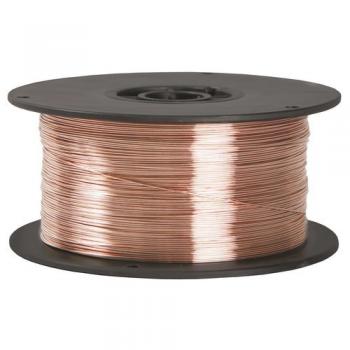
In the welding industry, choosing the right wire is critical — it can make a significant difference to the quality, speed and cost of every job. MIG welding wire is widely used across applications thanks to its flexibility and efficiency. Here is why it remains the go-to choice, and what to look for when selecting it.
Superior Weld Quality
The primary advantage of MIG welding wire is its ability to deliver high-quality, structurally sound welds with the least possibility of defects. Reputable Indian manufacturers apply advanced technology and rigorous quality control throughout production so that market standards are met consistently.
Increased Productivity
Smooth feeding and consistent arc performance significantly reduce project timelines. This improved efficiency increases welding speeds and decreases overall project time, which translates directly into lower costs and better profitability.
Versatility Across Materials
A key strength is the ability to work with diverse materials including mild steel, stainless steel, aluminium and certain non-ferrous metals — eliminating the need to maintain multiple wire types for different jobs.
Cost-Effectiveness
MIG wire offers an excellent balance of performance and affordability, helping organisations achieve their welding goals without excessive expenditure.
A Wide Range of Applications
From structural steel and heavy-machinery repair to manufacturing precision metal parts, MIG welding wire performs reliably across the automotive, construction and manufacturing sectors — and across different positions and environmental conditions.
Choosing the Right Wire
Match the wire grade and diameter to your base material, thickness and process. For mild steel, copper-coated ER70S-6 in 0.8–1.6 mm covers most fabrication work. Unique Udyog manufactures copper-coated and mild-steel MIG wire, layer-wound under controlled tension for a consistent, clean feed.