
Chain Link Fencing: Its Various Uses & Advantages
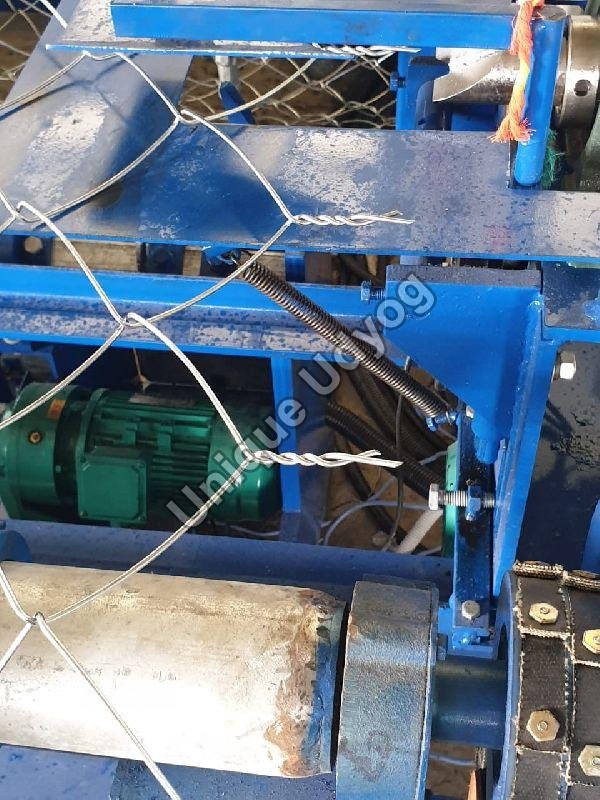
Chain link fence is among the most popular choices for boundaries in public places and important establishments, because it is straightforward and hassle-free to install and remains a cost-effective option. Supplied by a quality manufacturer, chain link fabric offers strong, tough and flexible construction — its evenly spaced diamond mesh provides linear strength and a texture that protects animals from injury and keeps predators out.
Where Chain Link Fencing Works Best
Parks
Chain link is the natural choice for fencing a park. It delivers the benefits of a wall partition while keeping the greenery, activities and attractiveness of the park visible from outside.
Schools & Campuses
Schools and grounds are increasingly bounded with chain link rather than walls. Owners want their buildings to be seen and valued — and chain link is ideal for exactly that.
Playgrounds
Chain link serves as a backstop in playgrounds and for sports such as tennis, basketball and cricket. A wall or opaque shield cannot offer what chain link does — and its available height makes it a smart choice.
Kennels & Stables
Kennels are fenced with chain link to keep animals secure without the runaway cost of walls — making it perfect for both large shelters and small home kennels.
Farms
Protecting cultivated crops from wild animals is as important as growing them. Farms near plains or hillocks, where boar and other wildlife roam, are well served by chain link boundaries.
Open Land & Plots
A purchased plot should be clearly marked so it cannot be encroached upon. A chain link boundary is an excellent, cost-effective way to define your limits — more economical and more intrusion-resistant than a wall.
Water Bodies
Lakes, ponds, canals and rivers are commonly secured with chain link on suitable posts — which is why many government tenders specifically call for chain link fencing.
Built to Specification
Unique Udyog manufactures galvanized chain link fencing in a range of apertures and heights, tailored to the demands of homes, industries, institutions and public infrastructure.